Beautiful Boyce Thompson Arboretum at a Glance

arizona, Blog, International Travel, Nature, Uncategorized, United States

As you may have noticed if you follow me on Instagram, I’ve been spending as much time as possible in and around the Superstition Wilderness this year! I love that area– the history and mystery, the natural landscape.

Read my articles about the Superstition Wilderness on World Footprints!

Plants of the Superstition Wilderness

When I’m outside, I like to know the names of the plants I’m seeing and what they can be used for. Ben would probably like it if I would stop eating things I find in the wild, but if the apocalypse comes, I’ll be one of the few who knows how to prepare mesquite pods 😉

Boyce Thompson Arboretum

I’ve been doing a lot of plant research online, but it’s just not the same as getting out and learning about plants in person. So, for my birthday excursion, we headed to Boyce Thompson Arboretum, a huge garden of desert landscapes complete with hiking trail!

The arboretum is located at the foot of Picketpost Mountain (or, Piglet Wiglet Mountain, as my three-year-old has dubbed it), a formidable peak that is not possible to summit with a child and a dog. And yes, I know that from experience.

A natural stream runs through the gardens, bringing life to the desert landscape. However, you won’t just find Arizona’s flora here–there are also exhibits from desert environments all over the world!

Boojum trees are named after a word Lewis Carroll invented for The Hunting of the Snark

Why visit Boyce Thompson Arboretum?

If you’re in the East Valley region of the Phoenix Metro Area, the arboretum isn’t too far of a drive out of town. And it’s definitely worth it! Those who enjoy the Desert Botanical Gardens in Phoenix will love a getting a different angle on local vegetation.

Boyce Thompson Arboretum is a great activity for people of all ages and mobility levels. While not all the trails, including the loop trail, are accessible, you can see most of the gardens from paved paths.

Little ones will love the kid appeal in the children’s garden. It provides an opportunity to talk about shapes and colors.

Where’s your favorite place to explore the natural world? Do you like arboretums or just getting out in nature? Leave a comment and let me know!

New addition to my jungle

Make a Yucca Fiber Basket

arizona, Blog, International Travel, Nature, United States

There’s so much you can eat and make from things that grow in the desert! It’s a common misconception that the desert is just a barren place full of thorns and poisonous things. But as a tour guide at the Casa Grand ruins once pointed out, it’s like living in a grocery store. I’ve done my fair share of eating desert plants, but did you know you can make a lot of things from them, too? Even if you have no experience with bushcrafting or textile arts, you can create this yucca coil basket.

I have a yucca in the front yard that I’ve hardly thought about since we moved in. Why did I decide to cut off a couple of leaves today and make a basket? It’s all a part of my writing research for the novel I’m working on. My book is a survival story set in the Arizona desert, and my main character is an ancestral crafts instructor. So I figured I’d better learn some ancestral crafts. After all, it’s a lot easier to write about something when you’ve experienced it, not just watched some YouTube videos!

Yucca stalk

This isn’t the first time I’ve done hands-on research for the writing. Obviously, my travel writing for the web is experience-based. As far as fiction goes, I’ve also had the chance to fly a plane and learned to make mud bricks!

Drop a comment if you’d like to see an instructional post on how to make mudbricks in your backyard.

So, on to why you clicked on this link: how to make a yucca fiber coil basket.

Harvest Yucca Leaves

There are a lot of ways to make a basket out of yucca leaves. I picked this one because I already knew how to make coil baskets. To date, my attempts at other types of basket weaving have not gone so well.

The first thing to do is cut a couple of yucca leaves! I took two to make this basket. It was really tiny. Like an Easter basket for a Barbie doll. If you want it to be bigger than that, you’ll need a lot more leaves. I didn’t want my yucca to be bald, so I stuck with a small project.

Be careful cutting yucca. There are sharp and some varieties have teeth on the edge of the leaves.

Scrape

You’ll need a couple of rocks for this. One should be large and flat, the other should be smaller and have a sharp edge, ideally. Scrape all the wet green stuff off the yucca leaf.

You are not pounding. I found this out the hard way. Scraping is a lot more effective. I tried rinsing out some of the green mush, and it worked OK, but it will dry just fine if you scrape it best you can.

Separate the fibers. There should be a few fibers to a strand.

Cord

Now you’ll need to create a cord out of the fibers. I was daunted by this part, thinking of Pa Ingalls in Little House on the Prairie cording straw until his hands bled by the fire all winter.

It’s not like that.

Cording was surprisingly easy, although a slow process. Basically, you have two strands of fibers. You give the bottom one a clockwise twist and then bring it counter-clockwise to the top and repeat, twisting in new strands as you get to the bottom of each.

If that makes no sense to you, try watching this video on yucca cording.

Coil

To make a coil basket, you need your cord and you also need a thicker strand to act as a base. Put your cord through a tapestry needle (or get really epic, and make a needle out of the point of the yucca leaf) and begin to wrap the thick strand with the cord.

Wrap it tightly until you have enough length to overlap in a small circle, then wrap over the overlap to secure the loop. From there, continue to wrap along the length of the thicker cord a dozen or so times, then insert the needle below the row under your current row to secure it.

Continue until you run out of cord. Now secure the end, tie off, and weave in ends.

For visual instructions, try watching this video on coil baskets.

You did it!

And that’s a wrap!

Get it? A wrap?

Anyway, I hope you have as much fun as I did making your own basket! If you’re the expert on this and have any advice on how to do this better, please leave a comment! I’m looking forward to learning more bushcraft skills as I do research for my novel. Stay tuned for more desert survival ideas!

Tuzigoot National Monument

arizona, Blog, International Travel, Uncategorized, United States


Tuzigoot is one of those places I’ve always see the signs for but never actually visited. During our Pueblos-of-Arizona road trip, though, Ben and I finally stopped to see it! This reconstructed ancient dwelling is located between Cottonwood and Jerome in central Arizona. It’s a great place to go if you want to see what pueblos actually looked like once-upon-a-time.


Ben and I invested in a National Parks Annual Pass, which is $80 and gives up to four adults and unlimited children admission into any United States National Park for a year. This includes national monuments, so we invited my parents to come with us and witness this awesome bit of history!


What to Expect 

Tuzigoot National Monument is the site of a large ancient pueblo that is thought to have housed the Sinagua people about 800 to 600 years ago. the pueblo is pretty big- it has over a hundred rooms!


The main room has been reconstructed so that visitors can actually walk inside and onto the roof. It’s obviously not exactly like the original, since it has stairs and a concrete floor. But it’s about as close as you can get and still be up to code! While we there, the large room was infested with flying ants. I hate ants with a deadly passion, but it didn’t stop me from going inside anyway!


My dad gave us an interesting history lesson while we were there. He works for Freeport-McMoRan, the mining company that was formerly Phelps Dodge. Phelps Dodge owns the land surrounding Tuzigoot and used to own the site as well, but they donated it to Yavapai County so that the site could be excavated and serve as a center of history and education.


Tuzigoot has an awesome visitor center attached where you can enjoy the (hallelujah) air conditioning. There is a museum here, and it hosts demonstrations once a month. You can also buy Native art and baskets here, if you like.


When to Go

The best time to go to Tuzigoot is in the spring or fall, when the weather is nicest. The summer wasn’t bad, but be prepared for a warm experience!


If you can, try to go on the third Saturday morning if the month. They do demonstrations from 10:00 to noon at the visitor’s center! When we went, we saw a demonstration on ancient weaving and dying techniques, which was pretty cool. Arrowheads and shoes are up for August and September of 2017.


How to Get There

If you’re coming from Phoenix, take the I-17 north to Camp Verde. Here, you’ll turn onto the 260 toward Cottonwood and Clarkdale. When the 260 turns into Main Street, continue on this road. Main Street becomes Broadway, and soon you’ll see the turn-off to Tuzigoot on your right.


Good Things to Know

  • The fee for the park is $10 if you don’t have a National Parks Pass. This fee also covers your visit to Montezuma Castle, should you choose to visit both in the same day.
  • You can get a National Parks Pass online or at one of many offices around the country.
  • Dogs are permitted as long as they are on leashes.
  • Go to Hog Wild Barbecue for lunch. This is not a sponsored link. It is a delicious place that my parents took us to after our trip to Tuzigoot!


More Pueblos to Visit

Montezuma Well

Montezuma Castle

Agua Fria National Monument

Palatki

Elden Pueblo

Wupatki National Park

A Walk Along the CAP Canal

arizona, International Travel, Nature, Uncategorized, United States

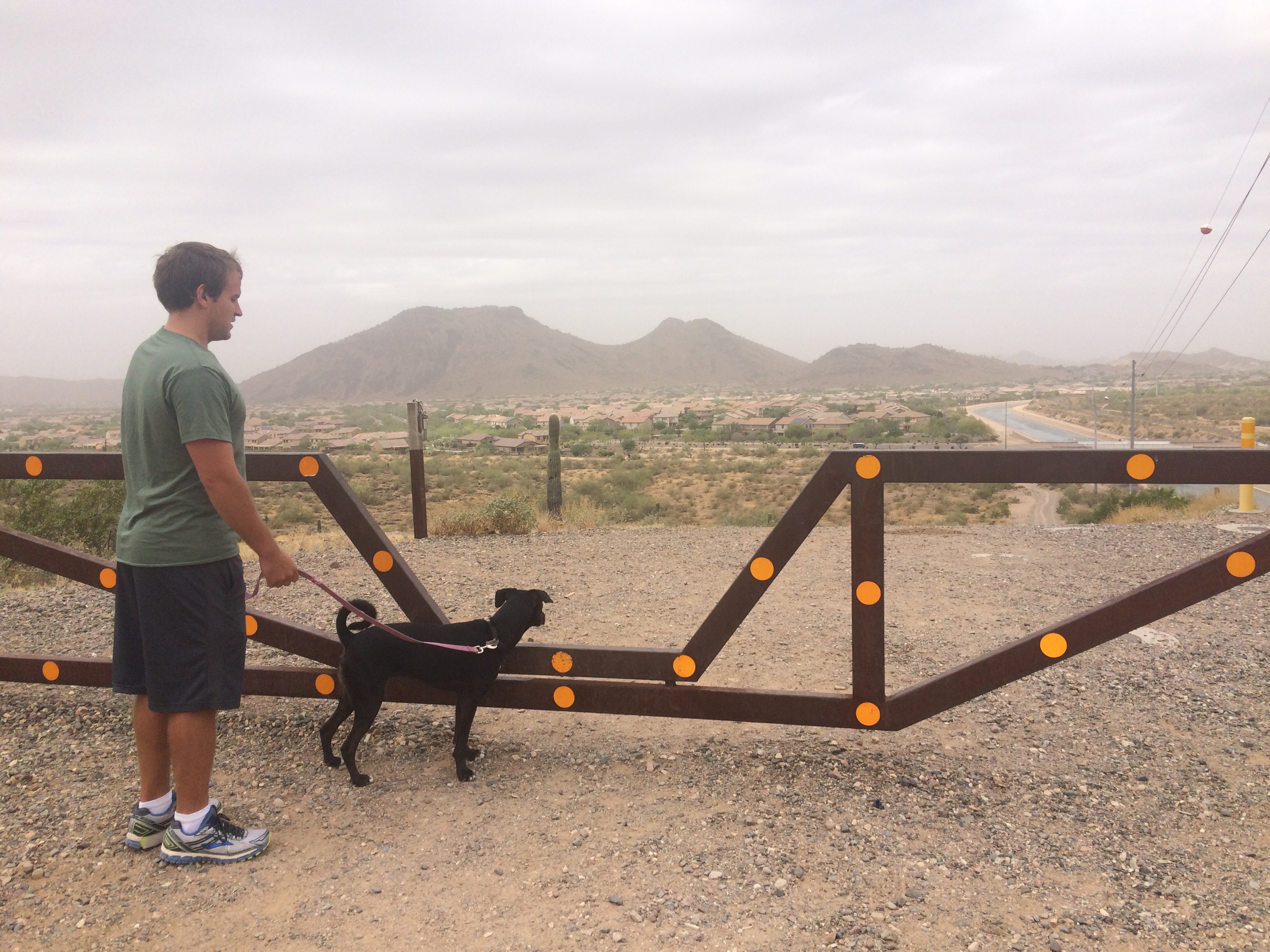
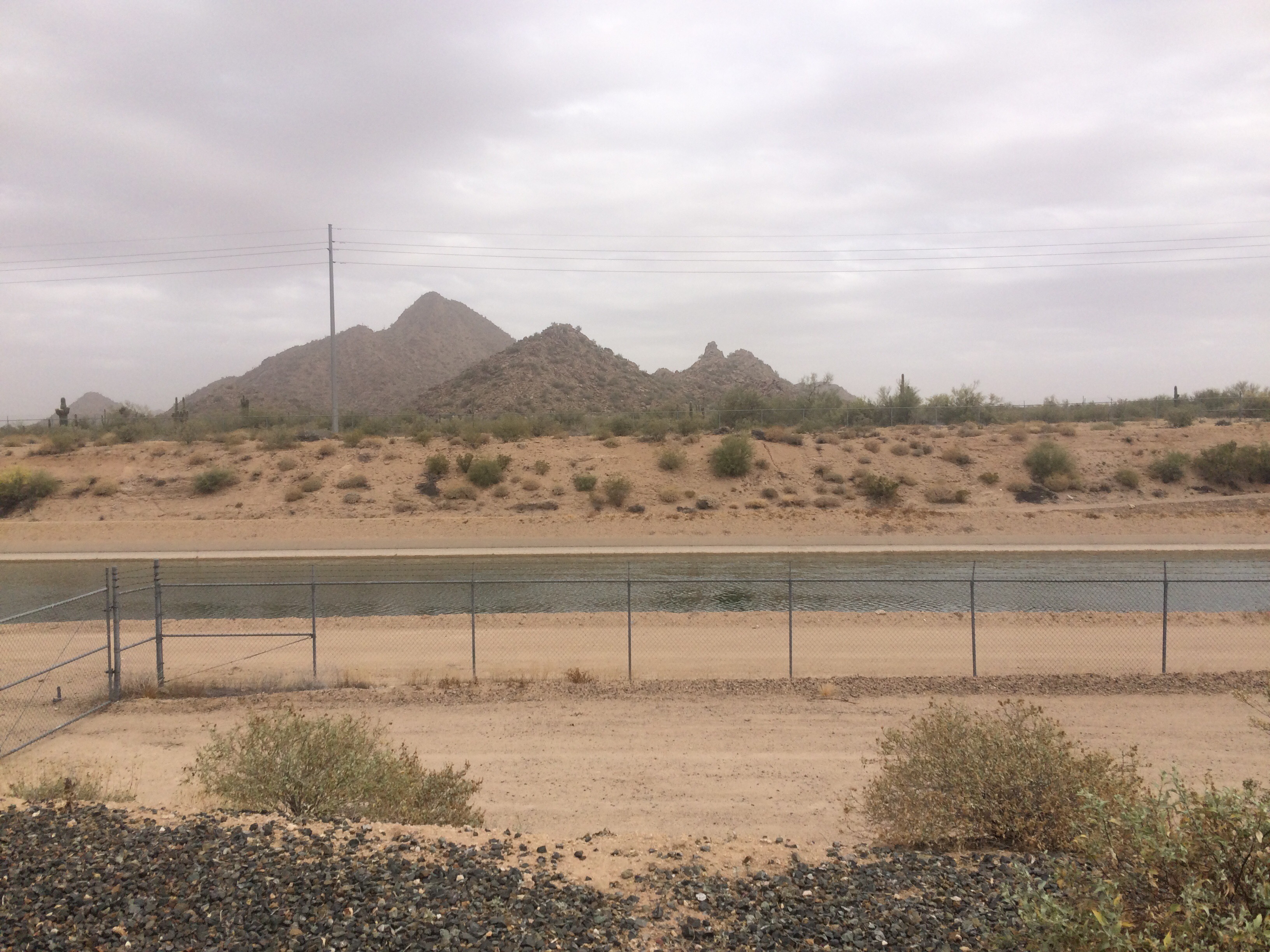
Just in case you were wondering, Phoenix has a grand total of zero natural waterways. We do, however, have a couple of canals. The Central Arizona Project Canal and the Salt River Project Canal. These take water from the Colorado River and the Salt River and bring it to the city because, well, there’s a city in the middle lf the desert with no water. Go figure. 


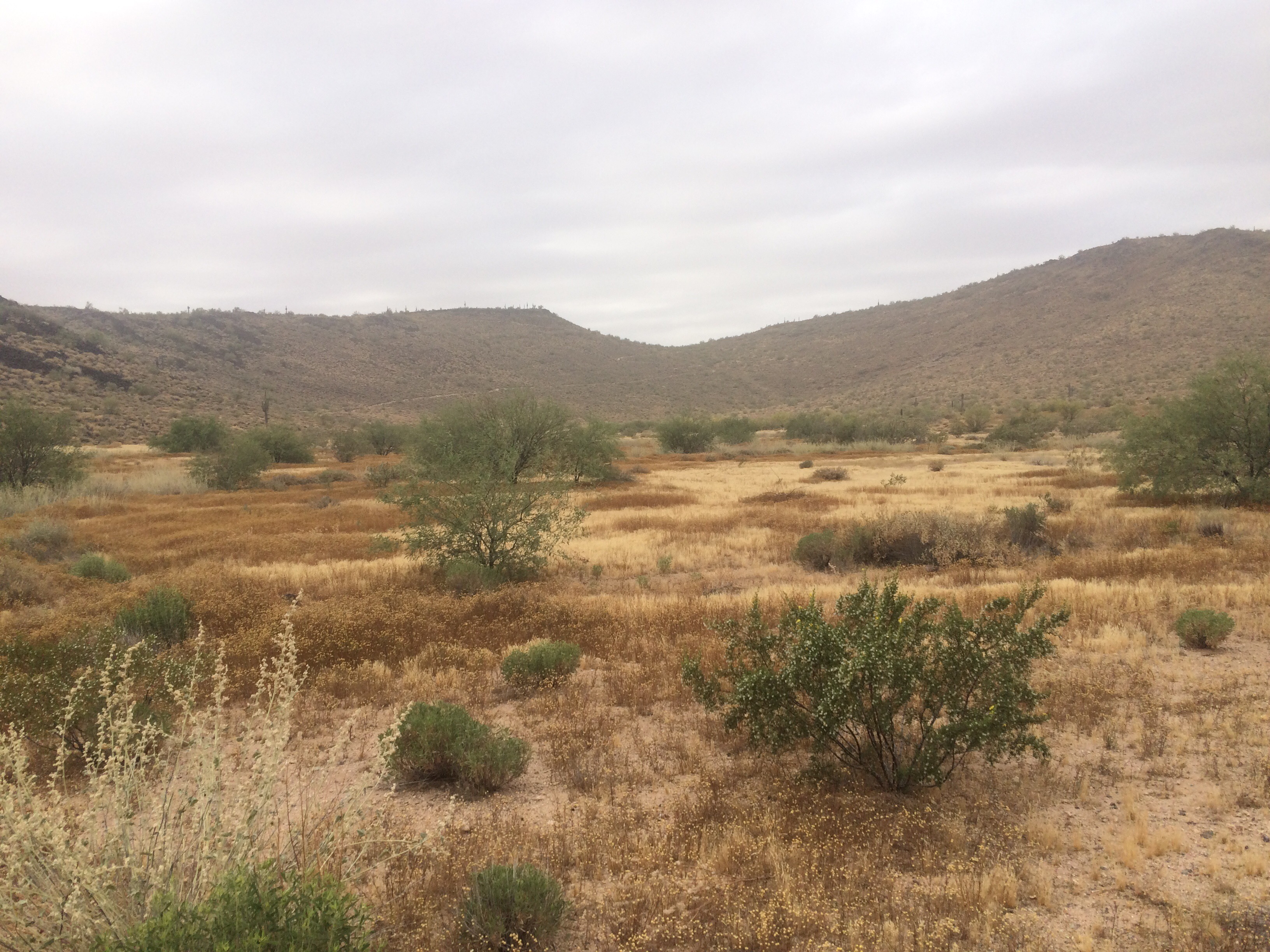
The CAP canal isn’t too far from our house; in fact, it runs through the middle of one of our favorite hiking ranges, Deem Hills. 


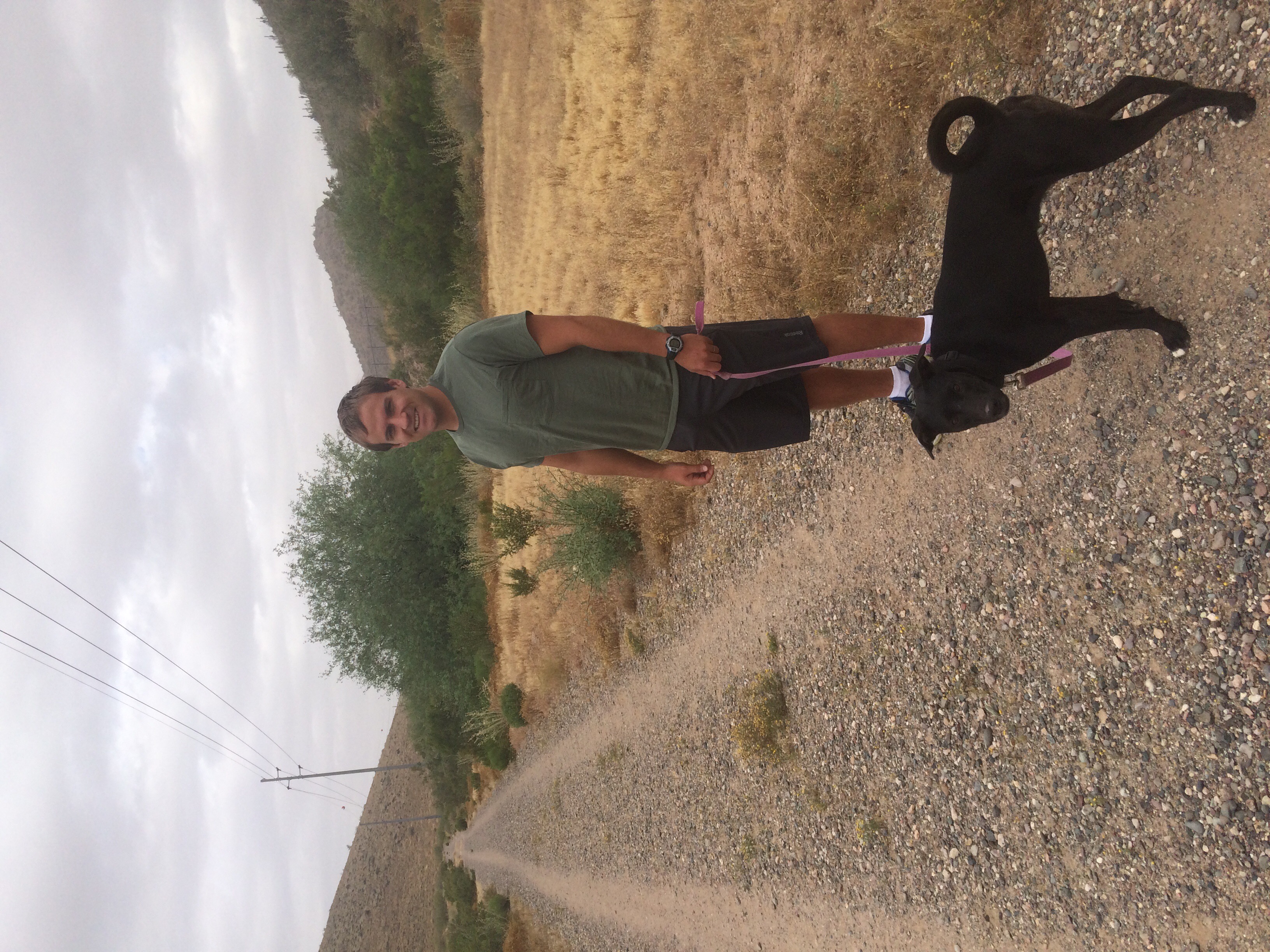
Deem Hills is in the Northwestern corner of Phonix. If you start at the east entrance of the trails, you can take the Circumference Trail a short distance to the path that goes along the edge of the canal. Unlike the hilly trail over the mountains, this is a nice flat trail, good for long walks and jogging.


The trail goes through the range, and then runs behind a neighborhood. It offers access to parks and playgrounds, and has nice views of the canal. 


When a canal’s all you’ve got, it’s actually a pretty desirable view. We did find a rattlesnake back there once, so keep an eye out just in case! 


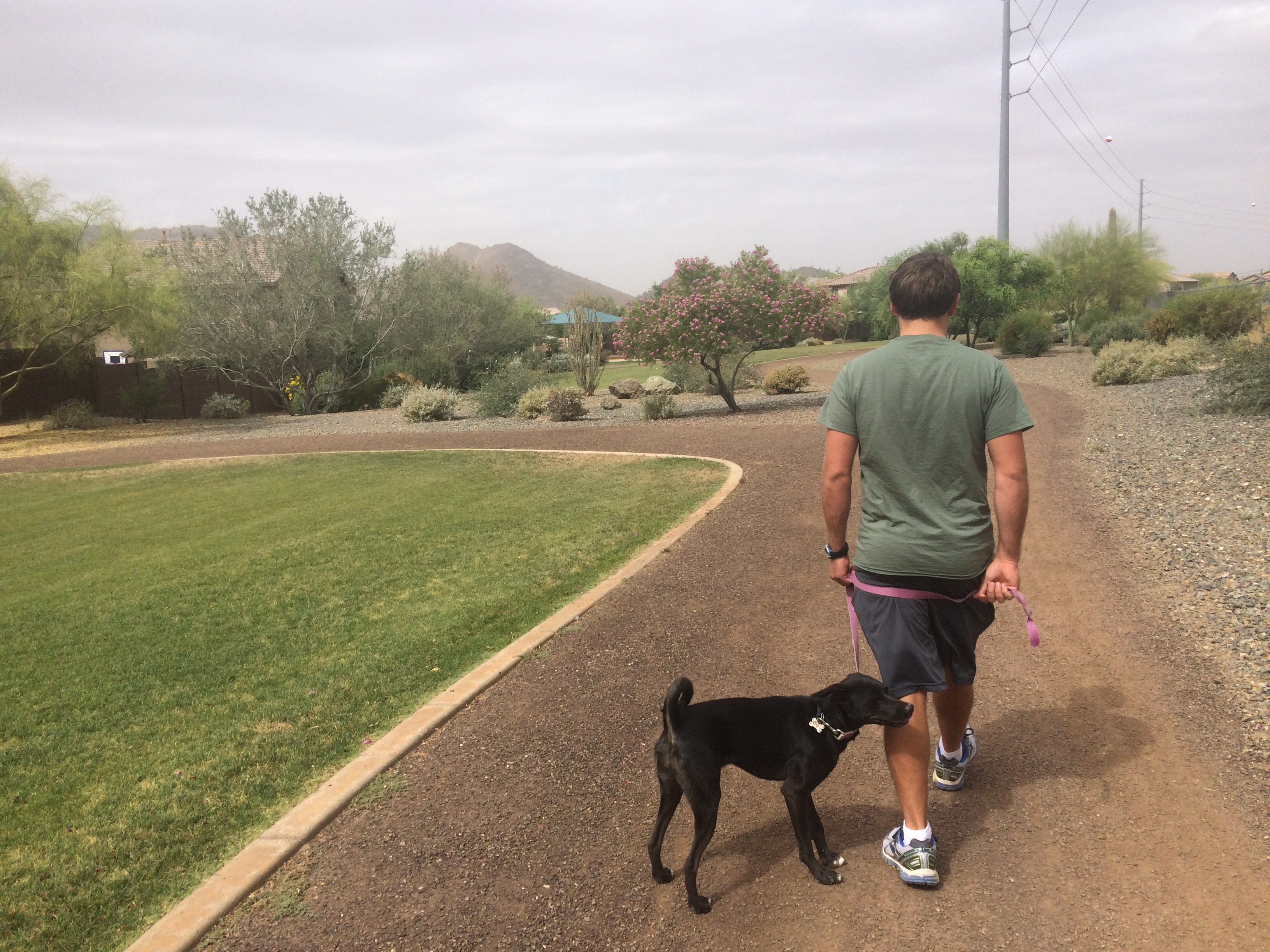
Kito loved the trails. She’s still discovering new and interesting things, like quail and rabbits. She didn’t even mind when we ran the last mile! This is the first of many family hikes in Deem Hills.