How to Make an African Coil Basket: Africa Day 7

Africa, Blog, Burundi, Expats, Expats and TCKs, International Travel, Third Culture Kids, Uncategorized

In Burundi, coil baskets are used for everything: food storage, transportation, traditional wedding gift wrap, even offering at church.

While I was vising my husband’s brother’s family in Burundi, I had the chance to learn how to make a coil basket from a local expert.

Mama Violette crafts these baskets using what my 11-year-old niece calls “goat rope” (rope made of fibers processed from sisal, a yucca-like plant), grass that grows near the river, and the plastic fiber from coffee sacks.

I asked Mama Violette where she learned to make these baskets. I expected a heartwarming answer about sitting long afternoons with her grandmother. However, she told me that she learned during her time in a refugee camp while Burundi was suffering through a civil war.

Burundian woman making a coil basket Gisuru, Burundi

She takes apart the sacks and straightens the fibers. Most of them are white, but colorful plastic is also available for designs. The durable, waterproof plastic replaces traditional organic materials in most baskets I saw.

Recycling at its finest!

Burundian woman making a coil basket Gisuru, Burundi
Mama Debo helped teach us to weave the baskets.

The basket starts with an inch or so of wrapping the plastic around the rope and grass. Coil the plastic-wrapped rope, thread the plastic through a needle, and stich the coil in place.

coil basket Gisuru, Burundi

The rest of the basket is pretty simple–keep wrapping, putting a stitch through the last round each time. I noticed that Mama Debo and Mama Violette placed one stich evenly though each wrap on the coil below.

Burundian woman teaching American woman to weave a coil basket Gisuru, Burundi

Making a basket takes a lot of time–a full day even for someone experienced. Later during our trip, I purchased a few small baskets from a roadside stand.

Can you guess how much one costs?

Two dollars. That’s all these women make from a day of hard work. That’s a typical wage for people in rural Burundi.

 coil basket Gisuru, Burundi

Mine wasn’t quite so neat, but it looked a lot better than my first attempt at a coil basket, which I tried to make with agave fibers from a plant in my yard. If you want to take a peek and laugh, visit this post.

coil basket Gisuru, Burundi

One of my nieces added some color to her basket. I was endlessly impressed by her creativity and knack for crafting. Aside from her new skill of basketry, she actually processes “goat rope” from sisal herself, dyes it using natural pigments she makes from nature, and weaves them into bracelets.

Burundian woman making a coil basket Gisuru, Burundi

Making a full basket would take a beginner like me days–even this little bit was the result of a couple of hours of work. So I decided to stop and turn it into a keychain.

Mama Violette helped me finish it off.

She and Mama Debo inspected my work, saying “Ni sawa.” I thought that meant I had not a fantastic job, but apparently it means. “That’s alright.” Hey, for a first attempt, I’ll take it!

Burundian woman making a coil basket Gisuru, Burundi

Now, I carry around this little souvenir on my keys wherever I go!

However, my main takeaway from this project wasn’t a physical item, or even a new skill.

Even though I couldn’t have a conversation with Mama Debo or Mama Violette, they were content to sit on the porch with me and communicate however we needed to, patiently helping me learn each step of basketmaking. Despite the many differences in our lifestyles, experiences, and backgrounds, they did not make me feel like an outsider.

Instead, we enjoyed a project together, connecting over a shared interest.

No matter the differences between us, we have more in common than we might think.

Africa Day 1: 30 Hours in Transit

Africa Day 2: Crossing Burundi

Africa Day 3: A Dowry Ceremony

Africa Day 4: A Burundian Wedding

Africa Day 5: Gisuru School for the Deaf

Africa Day 6: How to Make Mudbricks

Make a Yucca Fiber Basket

arizona, Blog, International Travel, Nature, United States

There’s so much you can eat and make from things that grow in the desert! It’s a common misconception that the desert is just a barren place full of thorns and poisonous things. But as a tour guide at the Casa Grand ruins once pointed out, it’s like living in a grocery store. I’ve done my fair share of eating desert plants, but did you know you can make a lot of things from them, too? Even if you have no experience with bushcrafting or textile arts, you can create this yucca coil basket.

I have a yucca in the front yard that I’ve hardly thought about since we moved in. Why did I decide to cut off a couple of leaves today and make a basket? It’s all a part of my writing research for the novel I’m working on. My book is a survival story set in the Arizona desert, and my main character is an ancestral crafts instructor. So I figured I’d better learn some ancestral crafts. After all, it’s a lot easier to write about something when you’ve experienced it, not just watched some YouTube videos!

Yucca stalk

This isn’t the first time I’ve done hands-on research for the writing. Obviously, my travel writing for the web is experience-based. As far as fiction goes, I’ve also had the chance to fly a plane and learned to make mud bricks!

Drop a comment if you’d like to see an instructional post on how to make mudbricks in your backyard.

So, on to why you clicked on this link: how to make a yucca fiber coil basket.

Harvest Yucca Leaves

There are a lot of ways to make a basket out of yucca leaves. I picked this one because I already knew how to make coil baskets. To date, my attempts at other types of basket weaving have not gone so well.

The first thing to do is cut a couple of yucca leaves! I took two to make this basket. It was really tiny. Like an Easter basket for a Barbie doll. If you want it to be bigger than that, you’ll need a lot more leaves. I didn’t want my yucca to be bald, so I stuck with a small project.

Be careful cutting yucca. There are sharp and some varieties have teeth on the edge of the leaves.

Scrape

You’ll need a couple of rocks for this. One should be large and flat, the other should be smaller and have a sharp edge, ideally. Scrape all the wet green stuff off the yucca leaf.

You are not pounding. I found this out the hard way. Scraping is a lot more effective. I tried rinsing out some of the green mush, and it worked OK, but it will dry just fine if you scrape it best you can.

Separate the fibers. There should be a few fibers to a strand.

Cord

Now you’ll need to create a cord out of the fibers. I was daunted by this part, thinking of Pa Ingalls in Little House on the Prairie cording straw until his hands bled by the fire all winter.

It’s not like that.

Cording was surprisingly easy, although a slow process. Basically, you have two strands of fibers. You give the bottom one a clockwise twist and then bring it counter-clockwise to the top and repeat, twisting in new strands as you get to the bottom of each.

If that makes no sense to you, try watching this video on yucca cording.

Coil

To make a coil basket, you need your cord and you also need a thicker strand to act as a base. Put your cord through a tapestry needle (or get really epic, and make a needle out of the point of the yucca leaf) and begin to wrap the thick strand with the cord.

Wrap it tightly until you have enough length to overlap in a small circle, then wrap over the overlap to secure the loop. From there, continue to wrap along the length of the thicker cord a dozen or so times, then insert the needle below the row under your current row to secure it.

Continue until you run out of cord. Now secure the end, tie off, and weave in ends.

For visual instructions, try watching this video on coil baskets.

You did it!

And that’s a wrap!

Get it? A wrap?

Anyway, I hope you have as much fun as I did making your own basket! If you’re the expert on this and have any advice on how to do this better, please leave a comment! I’m looking forward to learning more bushcraft skills as I do research for my novel. Stay tuned for more desert survival ideas!

Homemade Christmas Wrapping Paper

Expats and TCKs, Uncategorized

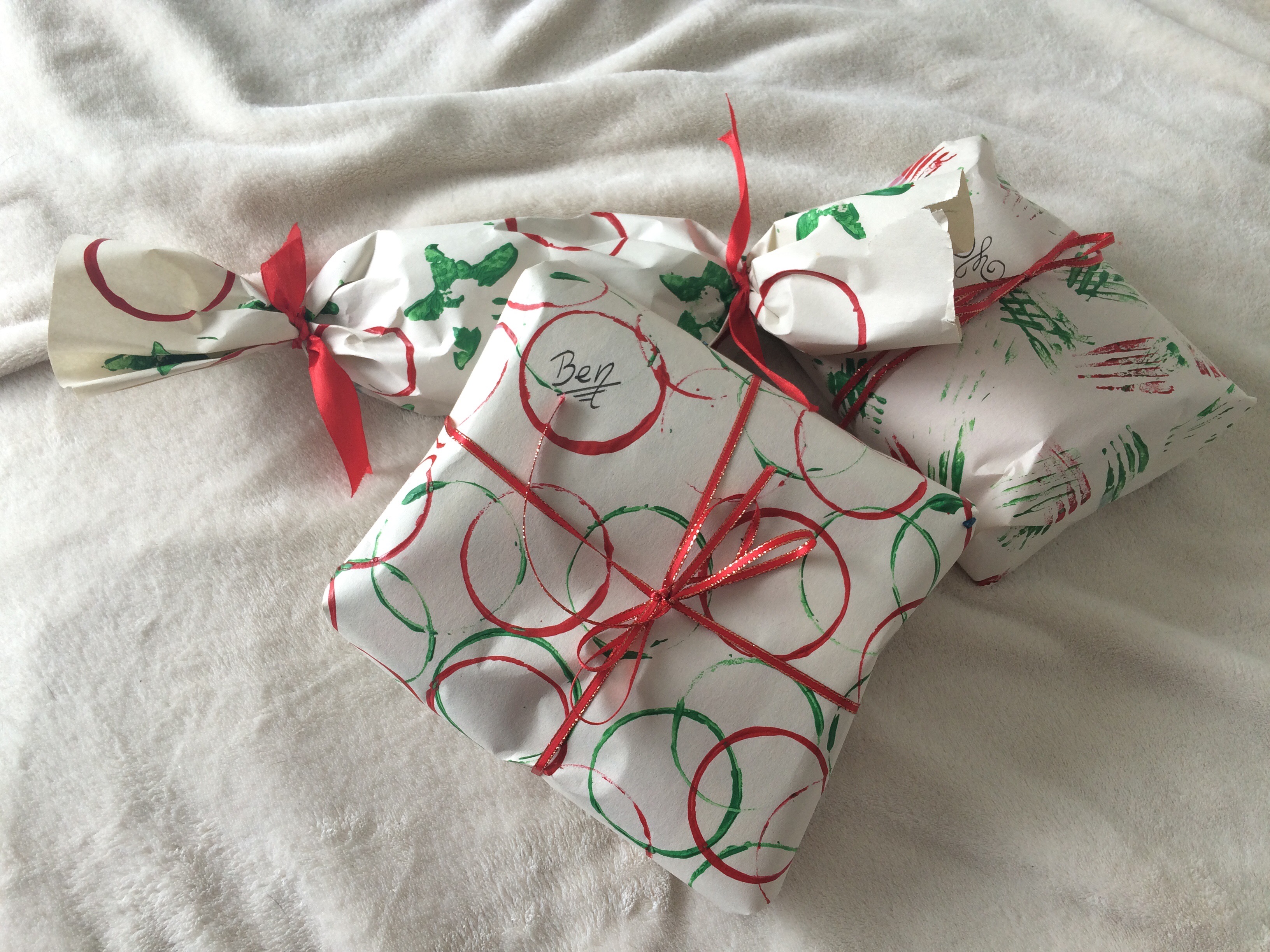
Pinching pennies this Christmas? Or maybe you just like putting a little extra love into wrapping your packages. Either way, you’ll have fun creating and using this practially free wrapping paper for your Christmas presents.


What You Need: 

  • Paint
  • Paper. Butcher paper is a plus.
  • A potato or a glass
  • A knife (optional)


Potato Stamping

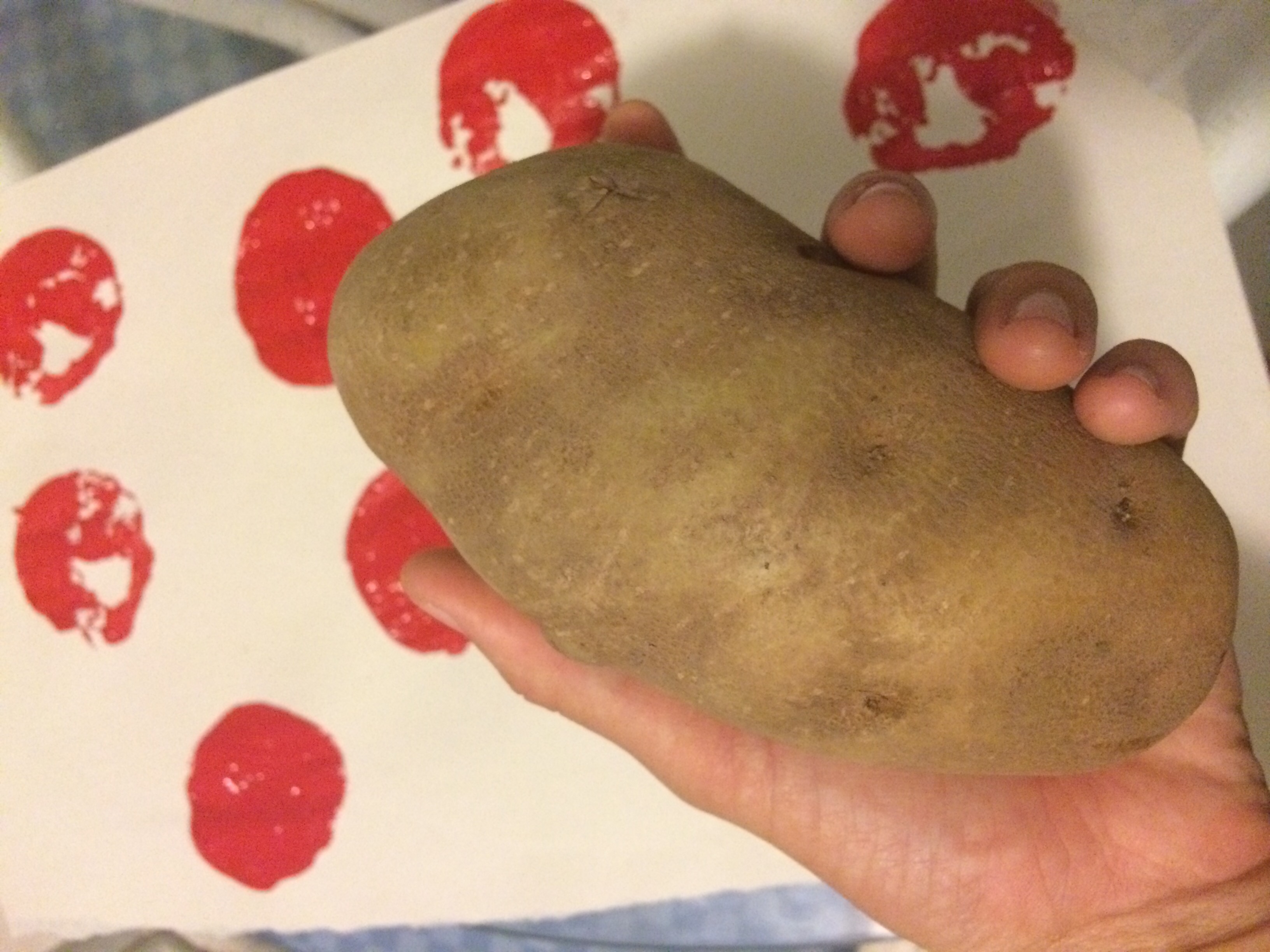
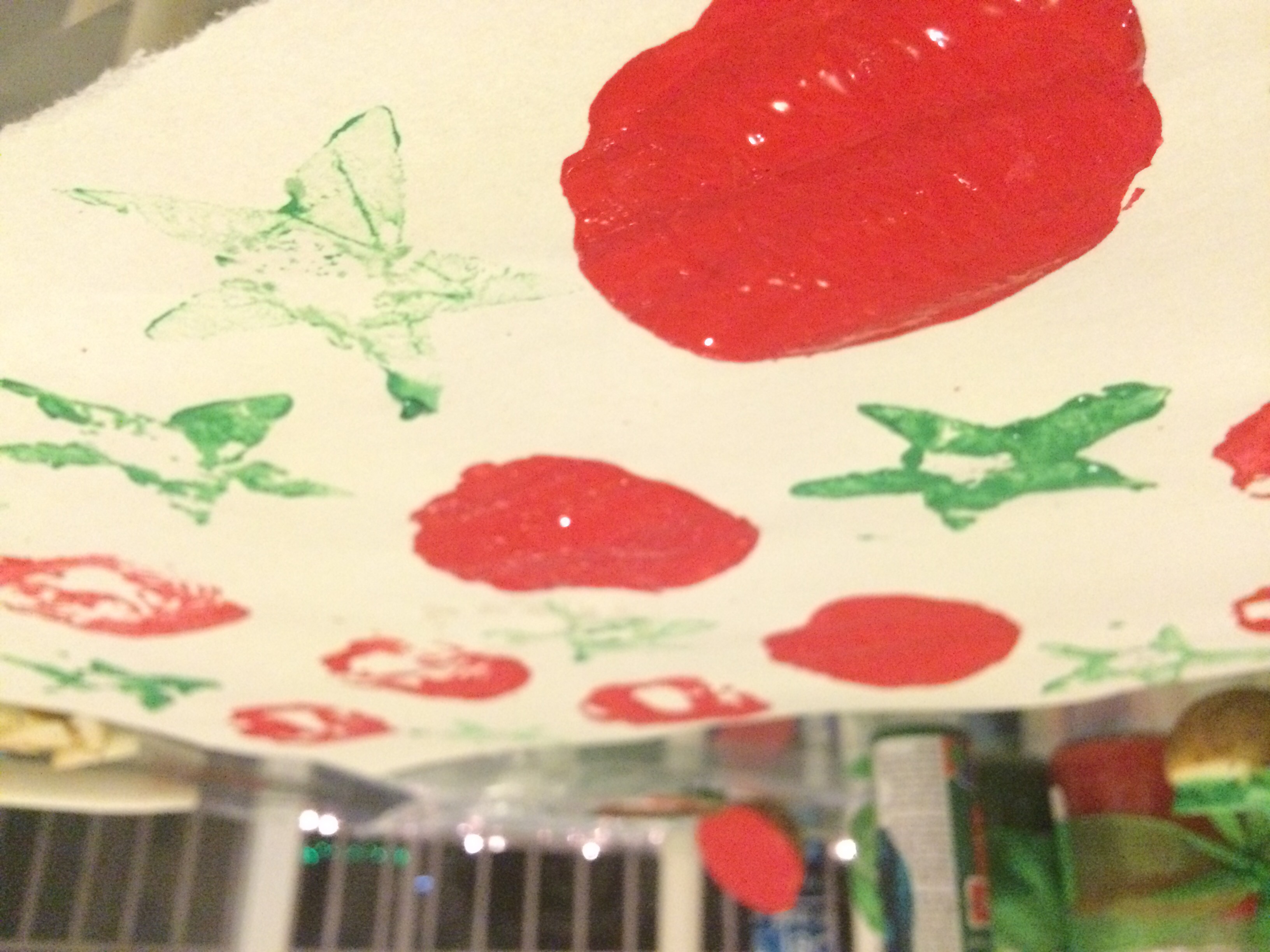
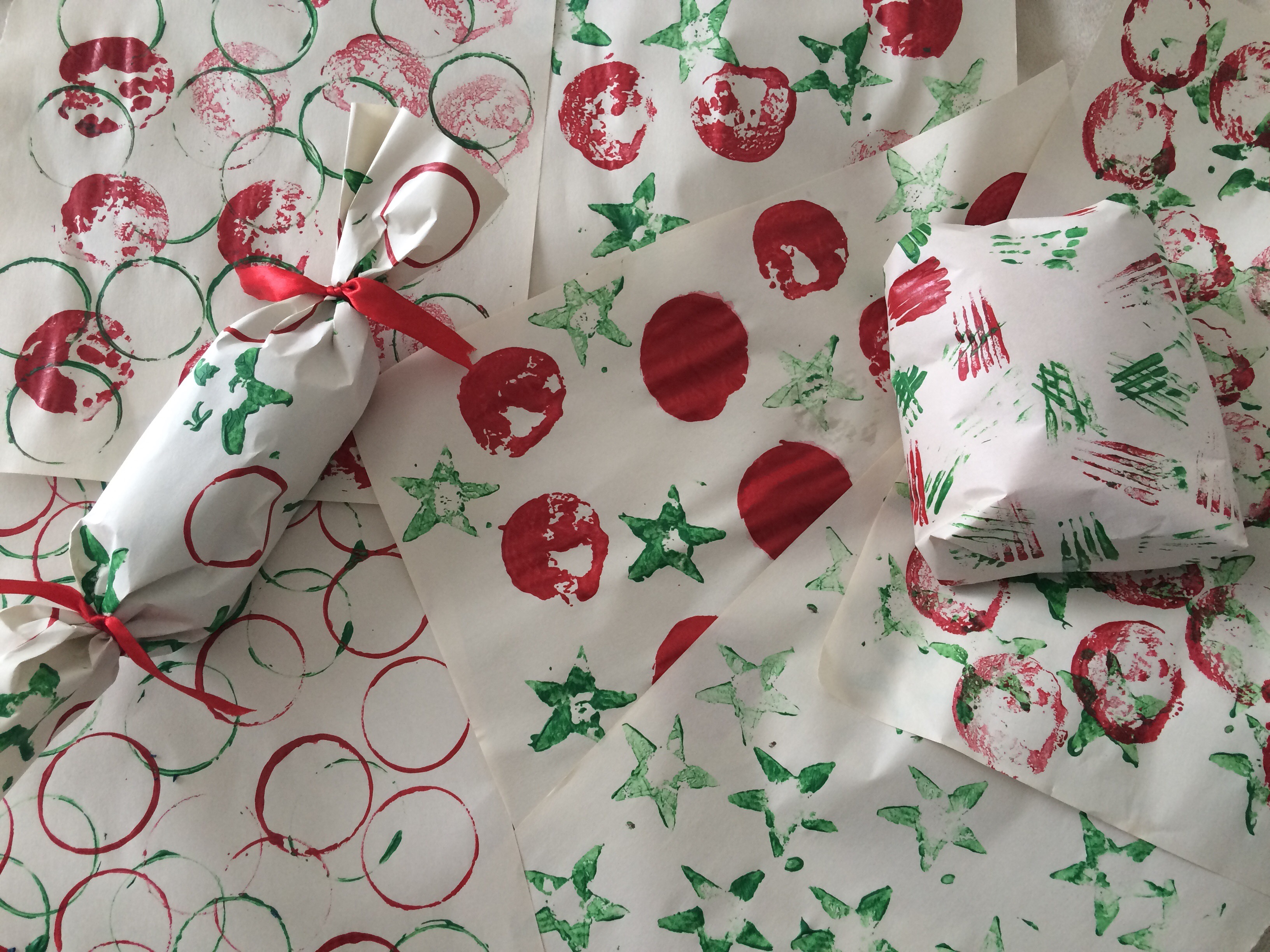
Potato stamping is super fun, and it’s a great craft to do with kids. It’s cheap, and not too messy. You don’t have to use potatos for your stamp; you can also use the rim of a glass, a fork, your hands, or other interesting-shaped items around your home.


Instructions

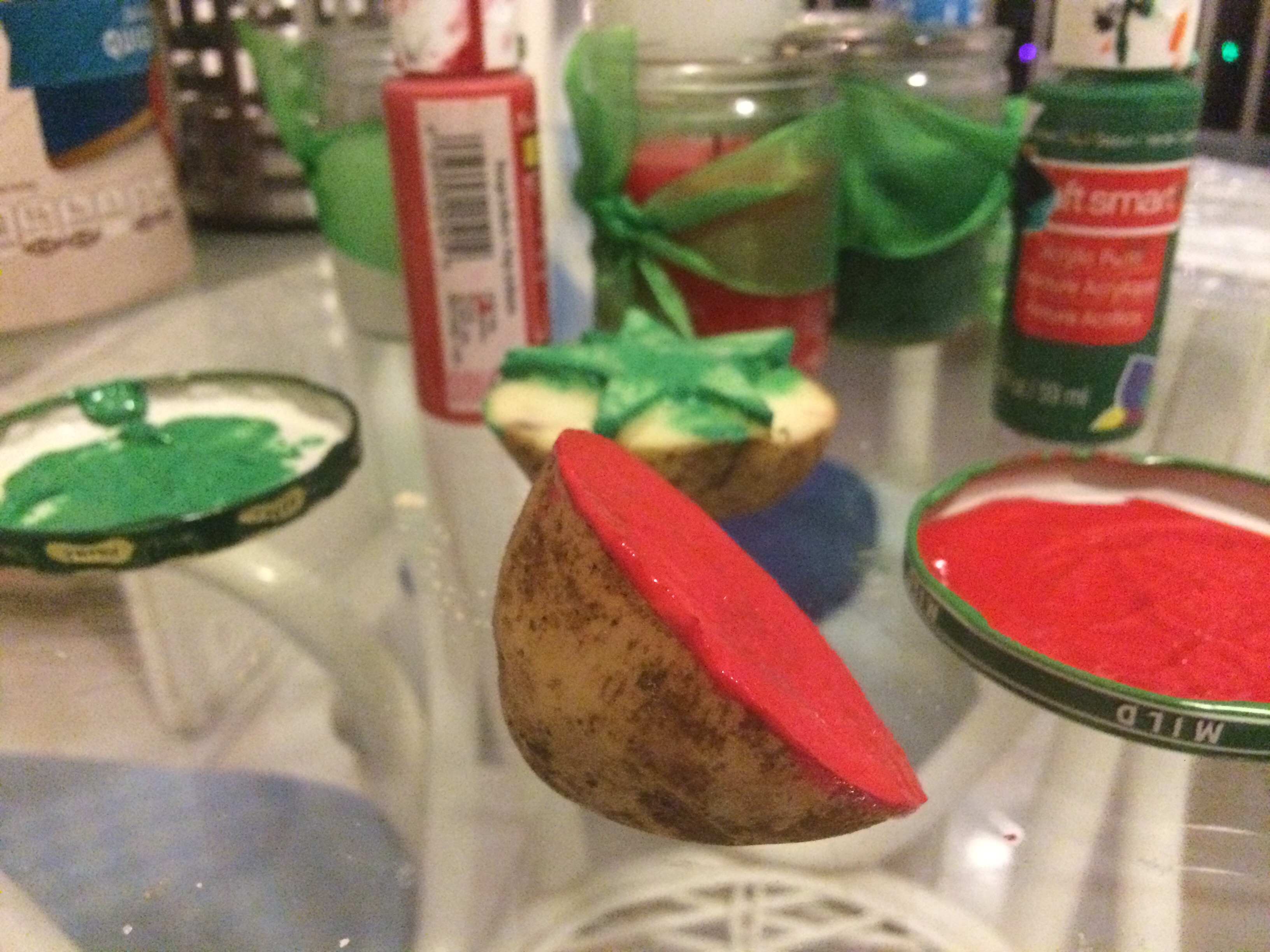
  • Pour paint onto a plate
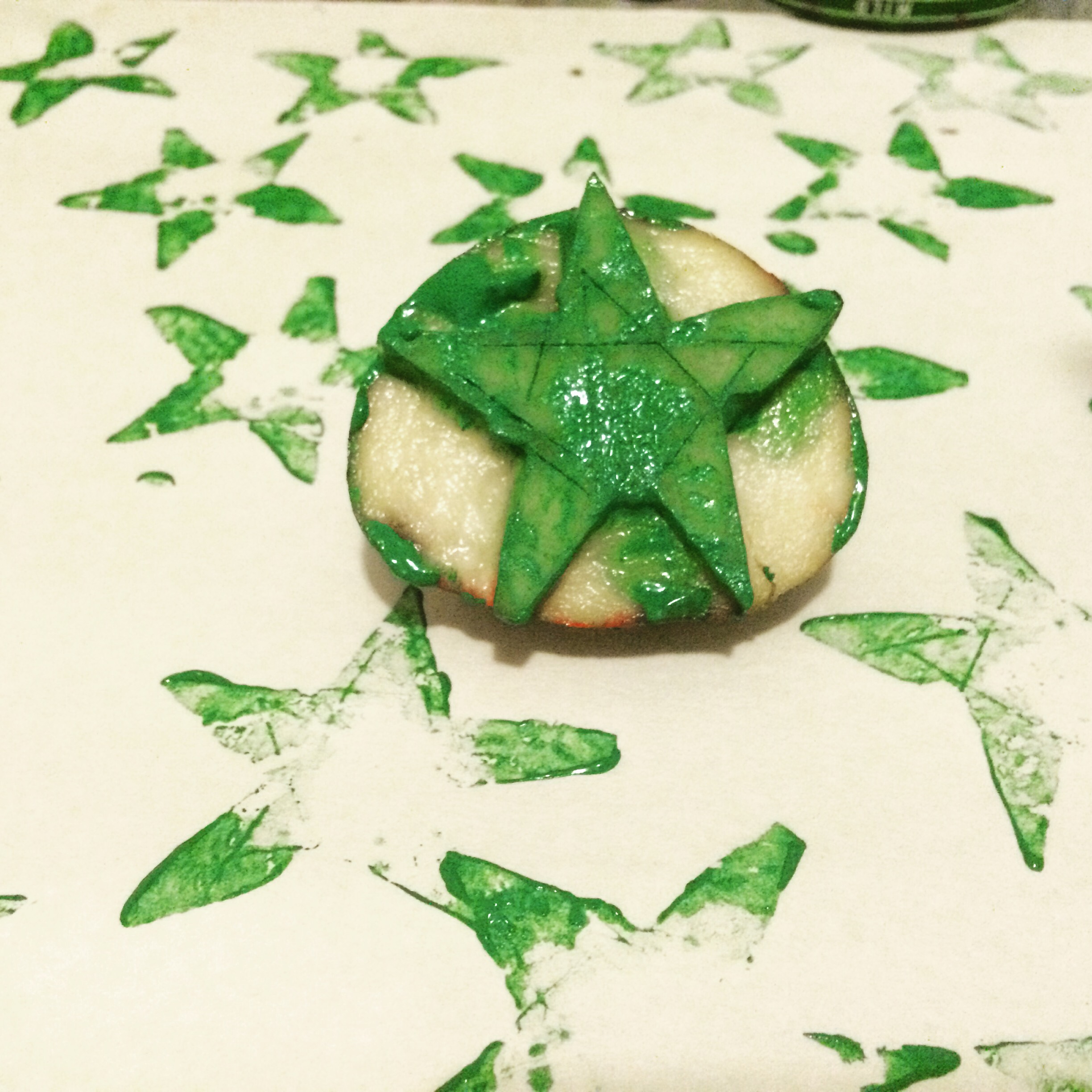
  • Cut potato in half. If you’re really creative, you can cut interesting shapes into the potato. I did stars.
  • Stamp the potato into the paint. Don’t get too much!
  • Stamp the potato all over your paper. Be creative!
  • Let it dry.
  • If you like, you can use a sharpie to draw cool designs. Maybe you can make the potato shapes into ornaments or snowmen.
  • Wrap your gifts and decorate! 


Looking for another thrify idea? Check out this homemade newpaper Christmas tree— an eco-friendly alernative to the plastic kind!

What do you do to save money or be craft this Christmas? Let us know in the comments!